
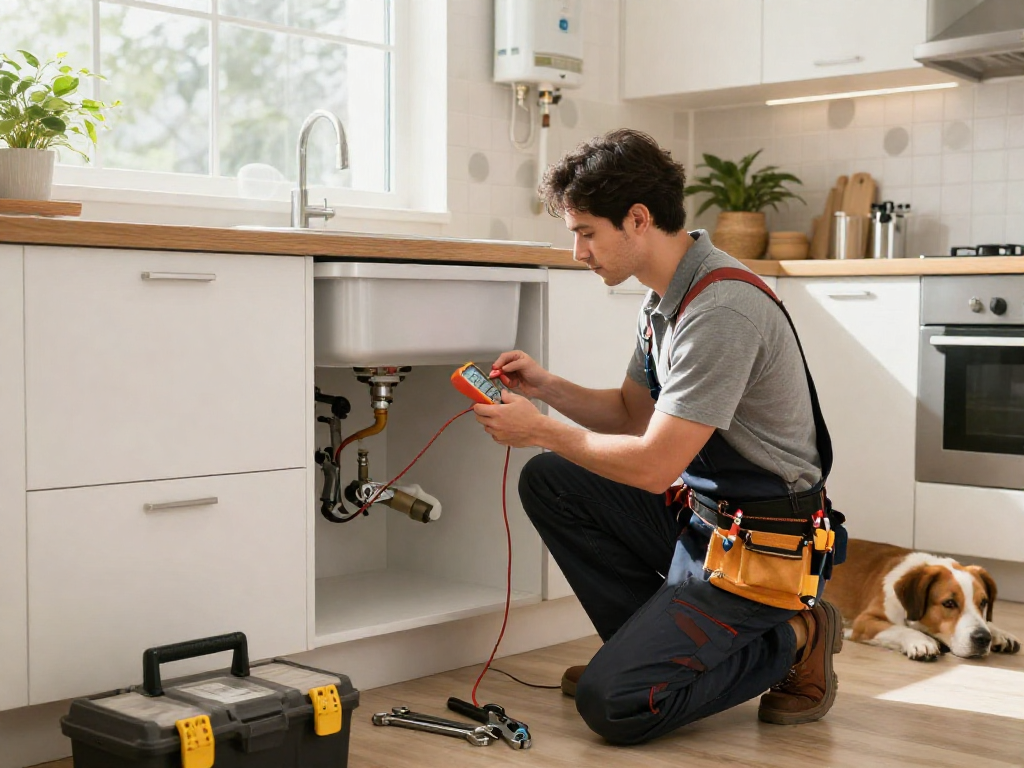
Understanding Water Heater Systems
Water heaters are essential components of modern households, providing hot water for various daily activities such as bathing, cooking, and cleaning. Understanding the fundamentals of water heater systems is critical to their efficient and reliable operation. In Fort Worth, as in many regions, households often face challenges that necessitate water heater repair Fort Worth. By familiarizing yourself with different types of water heaters, common issues, and signs that professional help is needed, homeowners can make informed decisions regarding maintenance and repairs.
Types of Water Heaters: Which One Is Right for You?
There are several types of water heaters on the market, each designed to meet different needs and preferences:
- Tank Water Heaters: These are the most common types, storing hot water in a tank until it is needed. They are well-suited for households with high hot water demands.
- Tankless Water Heaters: Also known as on-demand water heaters, these units heat water directly without the use of a storage tank. They provide hot water only when needed, making them energy-efficient and ideal for smaller homes.
- Heat Pump Water Heaters: These utilize electricity to move heat from the air or ground to heat water, offering an eco-friendly option that can significantly reduce energy costs.
- Solar Water Heaters: Utilizing solar panels, these systems heat water using renewable energy, making them a sustainable choice, albeit often requiring a high initial investment.
Common Issues That Require Water Heater Repair
Water heaters, regardless of type, can experience various problems that necessitate repairs. Some common issues include:
- Fluctuating Water Temperature: Inconsistent hot water can indicate sediment buildup or a failing heating element.
- Leaks and Drips: Water pooling around the base of your unit often signifies a serious issue that requires immediate attention.
- No Hot Water: When the unit fails to produce hot water, it may be due to a faulty thermostat or a burned-out heating element.
- Unusual Noises: Banging or rumbling sounds can indicate sediment buildup in the tank, causing overheating.
Signs You Need Professional Help with Water Heater Repair
Homeowners should be vigilant for signs that their water heater needs professional repair. Some indicators include:
- Presence of rust or corrosion on the unit.
- Water that smells unusual or has a strange taste.
- Increased energy bills without any clear reason.
- Age of the water heater exceeding 10-15 years.
Importance of Regular Maintenance
Regular maintenance is key to prolonging the life of your water heater and ensuring it operates efficiently. Neglecting maintenance can lead to higher energy bills, frequent breakdowns, and costly repairs.
How Regular Inspections Prevent Major Breakdowns
Conducting regular inspections allows homeowners to identify potential problems before they escalate. This preventative approach can save both time and money in the long run. For example, sediment buildup can lead to overheating, which might cause water heaters to fail prematurely.
Best Practices for Water Heater Maintenance
To keep your water heater running smoothly, consider implementing these maintenance practices:
- Flush the tank annually to remove sediment buildup.
- Check the temperature and pressure relief valve regularly.
- Insulate pipes to prevent heat loss and improve efficiency.
- Test the anode rod every few years and replace it if necessary.
DIY vs Professional Maintenance: Pros and Cons
While some maintenance tasks can be performed by homeowners, others are best left to professionals. DIY maintenance can save money but comes with risks. For instance, flushing a water heater might be manageable, but repairing a leak without proper knowledge can cause further damage. Evaluate your comfort level and expertise before deciding based on the complexity of the task.
Choosing a Reliable Water Heater Repair Service in Fort Worth
Finding a trustworthy service provider is crucial for effective water heater repairs. With numerous options available in Fort Worth, knowing what to look for can lead to better service outcomes.
Key Qualities to Look for in a Plumbing Service
When selecting a plumbing service, consider the following qualities:
- Experience: Look for companies with a proven track record in water heater repair.
- Licensing and Insurance: Ensure the company is licensed and carries liability insurance to protect against potential mishaps.
- Transparent Pricing: A good service provider will offer clear, upfront pricing without hidden fees.
Comparing Costs and Services of Local Companies
Take the time to compare prices and services among local companies. Request quotes and evaluate the scope of services offered. This will help you understand the market standards and choose the best option for your needs.
Customer Reviews: What They Reveal About Repair Services
Customer reviews can provide valuable insights into a company’s reliability and quality of service. Look for companies with consistently positive feedback and address any recurring complaints you might come across.
Understanding Repair vs Replacement Decisions
Deciding whether to repair or replace your water heater can be challenging. Factors such as repair costs, the age of the unit, and overall efficiency play a significant role in this decision.
When to Repair Your Water Heater: Factors to Consider
Consider repairing your water heater if:
- The unit is relatively new (less than 10 years old).
- Repairs are minor and cost less than 50% of a new unit.
- The unit has been well-maintained and exhibits no major signs of failure.
Signs It’s Time for a New Water Heater Installation
It may be time for a replacement if you notice the following:
- The water heater is over 15 years old.
- Frequent, costly repairs are required.
- Hot water supply is insufficient for your household needs.
Long-term Benefits of Upgrading Your Water Heater
Upgrading to a newer model can yield several benefits, including:
- Improved Energy Efficiency: Newer models are designed to consume less energy, reducing your utility bills.
- Enhanced Safety Features: Modern units often come equipped with safety advancements to prevent accidents.
- Better Performance: Upgraded systems provide consistent hot water on demand.
Future Trends in Water Heater Technology
The field of water heater technology is continually evolving, with innovations aimed at increasing energy efficiency and convenience for homeowners.
Innovative Solutions for Energy Efficiency in 2026
By 2026, we can expect advancements such as:
- Integration of smart technology for remote monitoring and control.
- Increased use of sustainable materials and eco-friendly designs.
- Enhanced heat pump technology for better energy savings.
Smart Water Heaters: The Technology Ahead
Smart water heaters equipped with IoT connectivity will allow users to monitor and control their systems through apps. This technology can optimize energy consumption based on usage patterns and send alerts for maintenance needs.
Preparing Your Home for Next-Gen Water Heater Systems
As technology progresses, homeowners should consider upgrading their infrastructure to accommodate smart systems. This may involve wiring upgrades or the installation of compatible plumbing fixtures.
What Should You Consider When Hiring a Service?
When hiring a service for water heater repairs or installations, consider qualifications, customer service, warranty options, and their understanding of the latest technologies.
What Maintenance Can I Do Myself?
Homeowners can perform basic maintenance tasks such as:
- Flushing the tank to remove sediment.
- Checking the pressure relief valve.
- Inspecting for leaks around connections.
What Are the Most Common Water Heater Problems?
The most frequent issues include:
- No hot water or insufficient hot water supply.
- Leaks from the tank or plumbing connections.
- Strange noises emanating from the tank.
How Often Should I Schedule Repairs?
It is advisable to have your water heater inspected at least once a year to ensure optimal performance and to identify potential problems early.
What Factors Affect Water Heater Lifespan?
Several factors can influence the lifespan of your water heater, including:
- The quality of the water supply (hard water can lead to sediment buildup).
- The frequency of maintenance and repairs.
- The initial quality and type of the water heater.